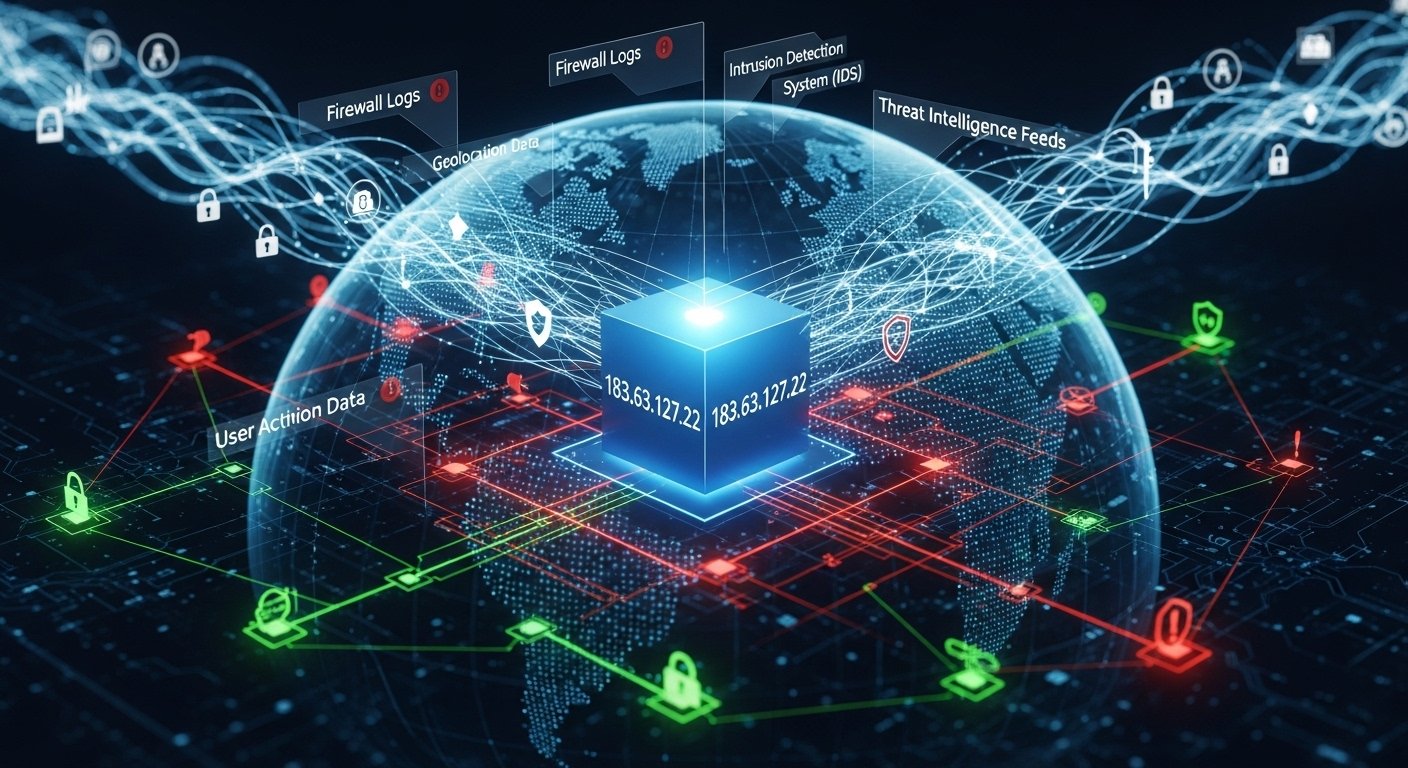
In today’s interconnected world, every device that accesses the internet leaves a trace. One such identifier is 183.63.127.22, an IP address that may appear in server logs, analytics dashboards, or cybersecurity reports. While it may look like a random string of numbers, 183.63.127.22 can reveal meaningful insights about online traffic, system behavior, and potential security risks.
Understanding how an IP address like 183.63.127.22 functions is essential for website owners, IT professionals, and even everyday users who care about digital privacy. This article explores what it represents, how it can be analyzed, and why it matters in the broader context of online infrastructure.
What Is 183.63.127.22?
An IP (Internet Protocol) address is a numerical label assigned to devices connected to a network. The format of 183.63.127.22 indicates that it is an IPv4 address, consisting of four numerical blocks separated by dots.
Every time someone visits a website, sends an email, or interacts with an online platform, their device uses an IP address for identification and communication. In server logs, 183.63.127.22 could represent a visitor, a bot, a crawler, or even an automated system request.
IPv4 Structure Explained
IPv4 addresses like 183.63.127.22 are 32-bit numbers divided into four octets. Each octet ranges from 0 to 255. This structure allows billions of unique combinations, though global demand has pushed the internet toward IPv6 in recent years.
Despite the shift to IPv6, IPv4 addresses remain widely used, and 183.63.127.22 fits into this traditional framework.
Why IP Addresses Matter in Web Analytics
When website owners review traffic reports, they often see IP addresses listed among visitor data. 183.63.127.22 might appear in analytics tools if a user from a particular network accessed a page.
Tracking IP addresses helps with:
- Identifying geographic trends
- Detecting suspicious behavior
- Monitoring repeated login attempts
- Filtering spam or bot traffic
For example, if 183.63.127.22 repeatedly attempts to access restricted areas of a website, administrators may flag it for further review. On the other hand, it could simply represent a legitimate user browsing content.
Security Implications of 183.63.127.22
Cybersecurity teams constantly monitor IP addresses for unusual patterns. If 183.63.127.22 appears in firewall logs multiple times within seconds, it may indicate automated scanning or brute-force attempts.
Common Security Scenarios
- Brute Force Attempts
Rapid login attempts from 183.63.127.22 could signal password-guessing activity. - Bot Crawling
Some automated tools scan websites for vulnerabilities. If 183.63.127.22 behaves like a bot, it might access multiple URLs quickly. - Suspicious API Requests
Unusual API calls linked to 183.63.127.22 can reveal attempts to exploit system endpoints.
Blocking an IP address is a common defensive action, but it must be done carefully to avoid restricting legitimate users.
Geolocation and Network Ownership
One important aspect of analyzing 183.63.127.22 is determining its approximate geographic location. IP geolocation tools can estimate the country or region associated with an address, though results are not always precise.
Network ownership information may reveal:
- The Internet Service Provider (ISP)
- The hosting provider
- The type of network (residential, corporate, or data center)
If 183.63.127.22 belongs to a data center, it may be associated with automated traffic. If it belongs to a residential ISP, it is more likely to represent an individual user.
Privacy Considerations
Many users worry about privacy when they see IP addresses logged. While 183.63.127.22 can indicate a device’s network location, it does not directly reveal personal identity. However, when combined with other data, it can narrow down information about user activity.
Organizations must handle IP data responsibly by:
- Storing logs securely
- Limiting data retention periods
- Complying with privacy regulations
- Avoiding unnecessary tracking
Users who want additional privacy often rely on VPNs or proxy servers, which mask their original IP address and replace it with another one.
How Businesses Should Respond to Repeated IP Activity
If 183.63.127.22 appears frequently in server logs, businesses should analyze its behavior before taking action. Key steps include:
- Reviewing access timestamps
- Checking request patterns
- Comparing activity with known bot signatures
- Monitoring login attempts
If the activity appears malicious, temporary blocking or rate limiting may be appropriate. If the traffic seems normal, it may simply reflect an engaged user returning to the site multiple times.
The Technical Side of IP Monitoring
Modern security systems use automated detection tools to evaluate IP behavior. Machine learning algorithms can analyze patterns tied to 183.63.127.22 and determine whether the traffic is high risk.
Advanced systems assess:
- Frequency of requests
- Page access order
- Data packet anomalies
- Interaction speed
These insights help prevent attacks without disrupting genuine visitors.
183.63.127.22 in the Bigger Picture of Internet Infrastructure
Every IP address, including 183.63.127.22, plays a small but vital role in global connectivity. The internet operates through constant communication between millions of devices. Each connection requires identification, routing, and verification.
Without IP addressing systems, data would not know where to go. When you open a website, your device sends a request, and the server responds directly to your IP address. This exchange happens in milliseconds and powers everything from social media to financial transactions.
Understanding how 183.63.127.22 fits into this ecosystem helps demystify how online communication truly works.
Conclusion
At first glance, 183.63.127.22 may appear to be just another string of numbers. In reality, it represents a fundamental building block of internet communication. Whether it shows up in analytics reports, firewall logs, or network monitoring systems, its presence can provide valuable insights into traffic patterns and potential security concerns.
By understanding how IP addresses function, businesses and individuals can make smarter decisions about cybersecurity, privacy, and system management. Instead of viewing 183.63.127.22 as a mysterious code, it becomes a practical tool for interpreting digital interactions and protecting online environments.