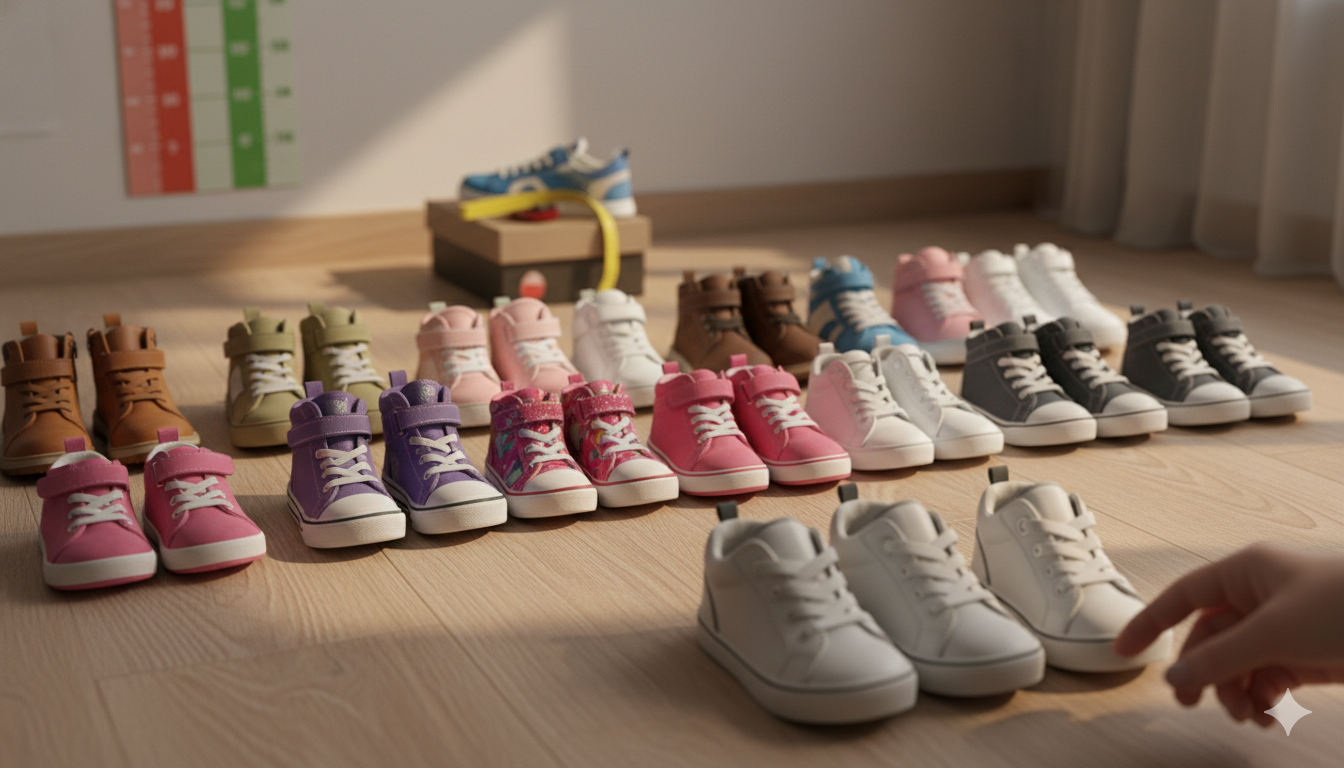
Finding the right pair of kids shoes can feel like a big challenge for many parents today. Children grow so fast that it often seems like they need new footwear every few months. However, picking the right pair is about much more than just the size or the bright colors. It is about making sure their feet stay healthy and comfortable while they run, jump, and play all day long. In this guide, we will look at everything you need to know to make the best choice for your little ones. We want to help you understand what makes a shoe good and how to spot a pair that will actually last.
Why Quality Kids Shoes Matter for Growing Feet
Small feet are very different from adult feet because they are still developing and soft. If a child wears shoes that do not fit right, it can lead to problems with how they walk or even cause pain later in life. Quality kids shoes provide the right amount of support and flexibility to allow natural movement. You want a shoe that bends at the toes but stays firm in the middle. This helps the foot muscles grow strong while protecting them from hard surfaces like concrete or rocky playgrounds. Investing in better footwear now means your child can play without any discomfort or long-term foot issues.
Understanding Different Types of Kids Shoes
There are many styles of kids shoes available on the market, ranging from sneakers to sandals and formal wear. For daily use, sneakers are usually the best option because they offer great traction and protection. If your child is into sports, you might look for specialized athletic shoes that provide extra cushioning for high-impact moves. For summer days, breathable sandals are a popular pick, but they should still have straps to stay secure on the foot. Knowing the purpose of the shoe helps you narrow down the best materials and designs for your child’s specific needs and daily routine.
How to Measure Your Childs Feet at Home
Measuring feet for kids shoes is something you can easily do right in your own living room. All you need is a piece of paper, a pencil, and a ruler to get the job done quickly. Have your child stand up straight on the paper and trace around both of their feet carefully. It is important to measure both because one foot is often slightly larger than the other one. Use the measurement of the larger foot to find the right size on a brand’s specific size chart. Always leave a little bit of room, about the width of your thumb, at the front for growth and toe movement.
Best Materials for Durable Kids Shoes
The material of kids shoes plays a huge role in how long they stay in good shape. Leather and high-quality mesh are great because they allow the feet to breathe and stay cool. Avoid cheap plastic materials that make feet sweat and can cause blisters or smelly odors. Durable rubber soles are also a must because they provide a good grip and do not wear down easily on the sidewalk. Look for reinforced toes if your child likes to drag their feet or play in the dirt often. Sturdy materials might cost a bit more, but they save money by lasting much longer through tough play sessions.
Finding the Right Fit and Support
A good fit is the most important part of buying kids shoes for any age group. The shoe should feel snug around the heel so it does not slip off while the child is running. However, it should never feel tight or pinch the sides of the foot at any point. Ask your child to wiggle their toes to make sure they have plenty of space to move around freely. If the shoes are too loose, the child might trip, and if they are too tight, they can cause ingrown nails. Checking the fit every few months is a smart habit because kids can jump up a whole size unexpectedly.
When to Replace Your Childs Footwear
It is easy to forget to check if kids shoes still fit until your child starts complaining of pain. Most experts suggest checking the size every two to three months for toddlers and every four to six months for older kids. Look for signs of wear like holes in the toes or soles that have become smooth and slippery. If the sides of the shoe are bulging out, it is a clear sign that the foot has become too wide for that pair. Replacing shoes on time prevents blisters and ensures that your child always has the support they need for their active lifestyle.
Tips for Shopping for Kids Shoes Online
Shopping online for kids shoes can save a lot of time and sometimes even money. To get it right, always check the specific size guide for the brand you are looking at today. Read the reviews from other parents to see if the shoes run large or small compared to standard sizes. Look for stores that offer free returns or easy exchanges just in case the fit is not perfect when they arrive. Buying online also gives you access to a much wider variety of colors and styles than a local store might have. Just remember to double-check your child’s current foot measurements before hitting the buy button.
Keeping Kids Shoes Clean and Fresh
Active children often get their kids shoes dirty very quickly, so knowing how to clean them is helpful. Most fabric or mesh sneakers can be tossed in the washing machine on a gentle cycle with cold water. For leather shoes, a simple wipe with a damp cloth and a little bit of mild soap usually does the trick. Always let the shoes air dry away from direct heat sources like radiators, which can crack the material. Using a deodorizing spray or baking soda can help keep the inside of the shoes smelling fresh after a long day of play. Regular cleaning makes the footwear look better and helps the materials stay strong for a longer time.
Top Styles for School and Play
When picking out kids shoes for school, you want a balance of style and function. Many schools have rules about colors, so black or navy sneakers are often a very safe and popular choice. For playtime at the park, bright colors and fun patterns can make getting dressed more exciting for your child. High-top styles offer a bit more ankle support, while low-tops are easier to put on and take off quickly. Velcro closures are perfect for younger children who have not learned to tie laces yet. Choosing a style your child likes will make them much more likely to wear their shoes without any fuss.
Conclusion
Choosing the right kids shoes is an important task that keeps your child happy and healthy. By focusing on quality materials, a proper fit, and the right level of support, you can find footwear that lasts. Remember to measure their feet often and look for signs of wear to ensure they always have the best protection. A good pair of shoes is the foundation for every adventure your child takes, from the classroom to the backyard. Take your time to pick the best option, and your child’s feet will definitely thank you for the extra care and attention.
Frequently Asked Questions
How much room should be at the front of kids shoes?
You should aim for about a half-inch of space, which is roughly the width of a finger, between the longest toe and the front of the shoe. This space allows for natural growth and prevents the toes from being cramped during movement.
Are expensive kids shoes always better?
Not necessarily, but higher-priced shoes often use better materials like real leather and specialized rubber. These materials provide better breathability and durability, which can save you money because you will not have to replace them as often as cheaper versions.
Should I buy shoes with laces or Velcro?
Velcro is great for younger children because it helps them be independent and put on their own shoes. Laces are better for older children as they provide a more secure and adjustable fit, which is especially important for sports and physical activities.
Can kids wear hand-me-down shoes?
It is generally better to avoid used shoes because footwear molds to the shape of the original owner’s foot. Wearing shoes that are already broken in by someone else can affect how your child walks and might not provide the right support for their unique foot shape.
How do I know if a shoe is too small?
Check for red marks on your child’s feet after they take off their shoes. You can also press down on the front of the shoe while they are standing to see if their toes are touching the very end. If they are, it is time for a larger size.
What are the best shoes for kids with flat feet?
For children with flat feet, look for kids shoes that have a firm heel counter and good arch support. This helps stabilize the foot and prevents it from rolling inward too much. Consult a professional if your child experiences any persistent pain while walking.