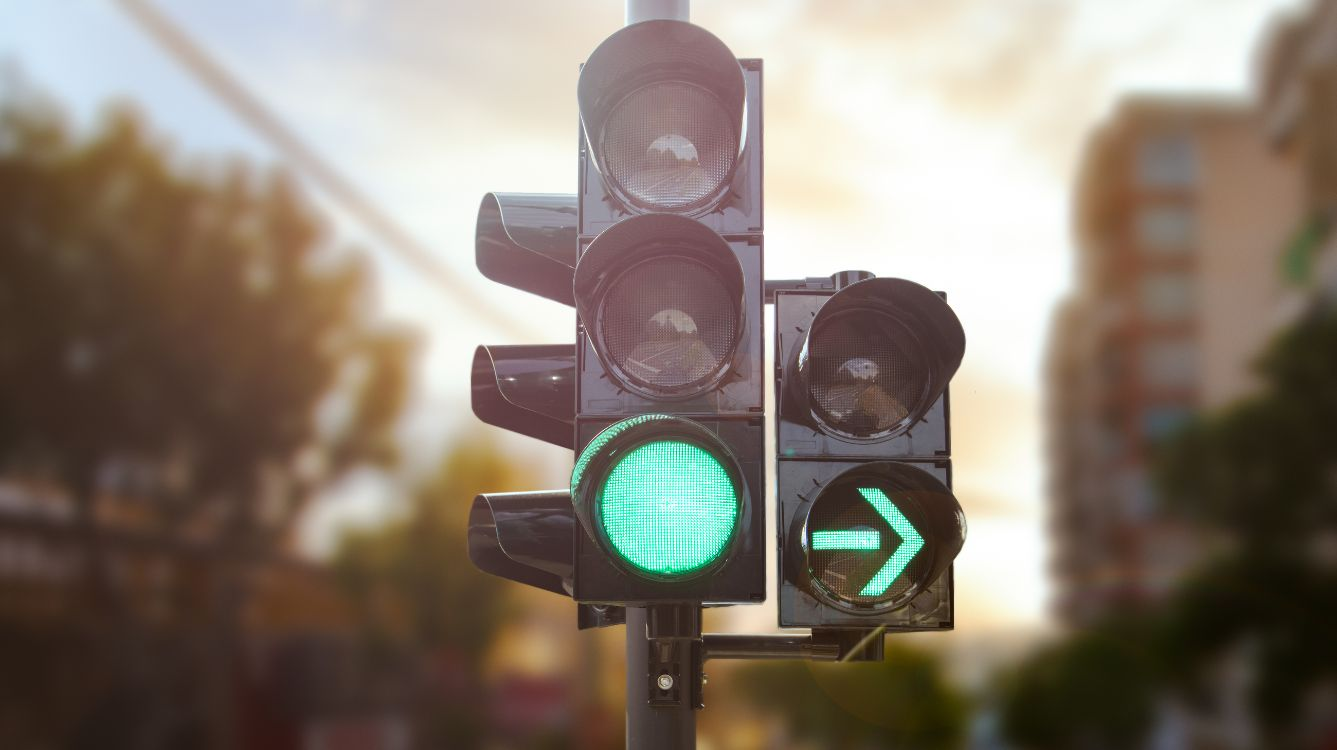
Traffic management has evolved significantly over the years, and one of the most important innovations is the Aluminum LED traffic signal. Designed to improve road safety, reduce energy consumption, and provide long-lasting performance, these traffic signals have become the preferred choice for municipalities, contractors, and transportation authorities around the world.
Unlike traditional incandescent traffic lights, Aluminum LED traffic signals combine durable aluminum housing with energy-efficient LED technology. This combination ensures reliable operation in all weather conditions while minimizing maintenance costs and maximizing visibility. Whether installed at busy intersections, pedestrian crossings, highways, or industrial facilities, these signals help maintain smooth traffic flow and improve public safety.
What Is an Aluminum LED Traffic Signal?
An Aluminum LED traffic signal is a modern traffic light system that features an aluminum housing and high-brightness LED modules. The aluminum casing protects internal electrical components from harsh environmental conditions, while the LED lights provide clear and bright illumination for drivers and pedestrians.
These traffic signals are available in different sizes, colors, and configurations to meet various traffic management requirements. They are designed to comply with international traffic safety standards and offer reliable performance over many years of operation.
Key Features of Aluminum LED Traffic Signals
Aluminum LED traffic signals are known for their advanced features that make them suitable for modern transportation systems.
Some of the most important features include:
- Durable aluminum housing
- High-brightness LED illumination
- Low energy consumption
- Long service life
- Weather-resistant construction
- UV-resistant lens
- Fast response time
- Low maintenance requirements
- Excellent visibility during day and night
- Easy installation and replacement
- Corrosion-resistant materials
- Multiple voltage options
- Environmentally friendly operation
- Stable performance in extreme temperatures
These features contribute to better road safety while reducing operational costs for cities and transportation departments.
Benefits of Using Aluminum LED Traffic Signals
Choosing Aluminum LED traffic signals provides numerous benefits compared to traditional traffic lighting systems.
One of the biggest advantages is energy efficiency. LED technology consumes significantly less electricity than incandescent bulbs, helping municipalities lower their energy bills.
Another important benefit is durability. Aluminum is naturally resistant to corrosion and rust, making it an ideal material for outdoor applications. Even in coastal areas or regions with heavy rainfall, aluminum housings maintain their structural integrity.
LED lights also have a much longer lifespan, often exceeding 50,000 operating hours. This reduces replacement frequency and lowers maintenance costs.
In addition, the bright LED illumination improves visibility in sunlight, rain, fog, and nighttime conditions, allowing drivers to recognize traffic signals from greater distances.
Applications of Aluminum LED Traffic Signals
Aluminum LED traffic signals are widely used across different transportation environments.
Common applications include:
- Urban road intersections
- Highway traffic control
- Pedestrian crossings
- School zones
- Railway crossings
- Airport roadways
- Industrial facilities
- Parking lots
- Toll plazas
- Smart city infrastructure
- Construction zones
- Commercial complexes
- University campuses
- Private communities
Their versatility makes them suitable for both public and private traffic management systems.
Why Aluminum Is the Preferred Housing Material
The housing material plays an important role in the performance and lifespan of traffic signals.
Aluminum offers several advantages over plastic and steel. It is lightweight, making installation easier while reducing stress on mounting structures. Despite its low weight, aluminum provides excellent strength and impact resistance.
Because aluminum naturally forms a protective oxide layer, it resists corrosion without requiring additional protective coatings. This makes it especially suitable for outdoor environments exposed to moisture, dust, and pollutants.
Its excellent heat dissipation properties also help maintain optimal LED operating temperatures, extending the life of internal electronic components.
Energy Efficiency and Environmental Benefits
Energy conservation has become a major priority for governments worldwide. Aluminum LED traffic signals support sustainability initiatives by dramatically reducing electricity consumption.
Compared to traditional incandescent traffic lights, LED signals consume up to 80% less power while delivering brighter illumination.
Lower energy usage results in:
- Reduced operating costs
- Lower carbon emissions
- Less strain on electrical infrastructure
- Improved environmental sustainability
- Reduced maintenance vehicle trips
Because LEDs do not contain hazardous materials like mercury, they are also more environmentally friendly throughout their lifecycle.
Visibility and Road Safety
One of the primary goals of any traffic signal is to ensure maximum visibility.
Aluminum LED traffic signals use advanced optical lenses and high-intensity LEDs to produce clear and consistent colors. Drivers can easily distinguish between red, yellow, and green signals even in bright sunlight.
Modern LED modules distribute light evenly across the lens surface, eliminating dark spots and improving recognition distances.
Enhanced visibility helps reduce:
- Traffic accidents
- Driver confusion
- Signal violations
- Nighttime collisions
- Pedestrian accidents
Reliable signal performance contributes directly to safer roads and more efficient transportation systems.
Maintenance Requirements
Maintenance costs are a significant concern for traffic management authorities.
Fortunately, Aluminum LED traffic signals require very little maintenance due to their durable construction and long-lasting LED technology.
Routine maintenance typically includes:
- Cleaning the signal lens
- Inspecting electrical connections
- Checking mounting hardware
- Testing signal operation
- Replacing damaged components when necessary
Since LEDs rarely burn out suddenly, maintenance teams can plan replacements more efficiently, reducing unexpected service interruptions.
Important Factors When Choosing an Aluminum LED Traffic Signal
Selecting the right traffic signal depends on several technical and operational considerations.
Important factors include:
- Signal size
- LED brightness
- Housing quality
- Waterproof rating
- Operating voltage
- Viewing angle
- International certifications
- Wind resistance
- Installation method
- Power consumption
- Warranty period
- Manufacturer reputation
Carefully evaluating these factors ensures long-term performance and compliance with local traffic regulations.
Future Trends in Aluminum LED Traffic Signals
Traffic management technology continues to evolve with the growth of smart cities and intelligent transportation systems.
Modern Aluminum LED traffic signals are increasingly being integrated with:
- AI-based traffic control
- Vehicle detection sensors
- Adaptive signal timing
- Internet of Things (IoT) connectivity
- Remote monitoring systems
- Emergency vehicle priority systems
- Pedestrian detection technology
- Solar-powered operation
- Wireless communication networks
- Cloud-based traffic management platforms
These innovations improve traffic flow, reduce congestion, and enhance road safety through real-time data analysis and automated control.
Conclusion
The Aluminum LED traffic signal has become an essential component of modern transportation infrastructure. Combining the strength of aluminum with the efficiency of LED technology, these traffic signals deliver outstanding durability, energy savings, and long-term reliability.
Their excellent visibility, low maintenance requirements, corrosion resistance, and environmental benefits make them an ideal solution for cities, highways, industrial facilities, and smart transportation projects. As traffic systems continue to become more intelligent and connected, Aluminum LED traffic signals will remain a critical investment for improving road safety, reducing operational costs, and supporting sustainable urban development. Choosing high-quality Aluminum LED traffic signals ensures dependable performance today while preparing transportation networks for the future.