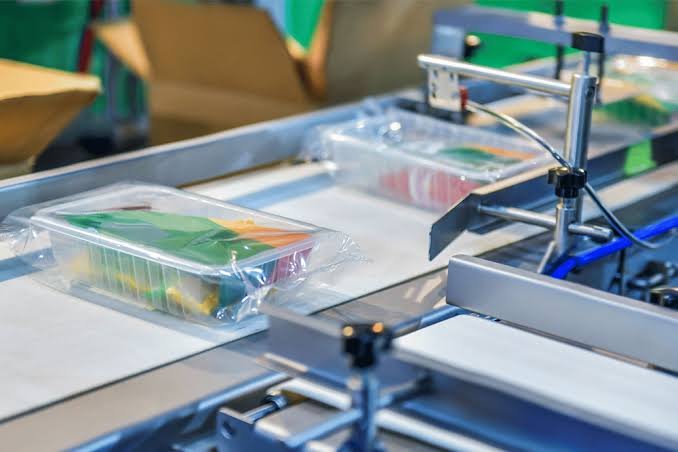
A flow wrapping machine is one of the most popular packaging solutions used across many industries. It is designed to wrap products quickly, neatly, and securely using a continuous roll of packaging film. These machines help businesses improve production speed while protecting products from dust, moisture, and damage during storage and transportation.
From food items to medical supplies and consumer goods, a flow wrapping machine offers reliable packaging with a professional appearance. Modern machines are built with advanced automation, making them suitable for both small businesses and large manufacturing plants. In this guide, you will learn how a flow wrapping machine works, its benefits, common applications, and tips for choosing the best model for your business.
What Is a Flow Wrapping Machine?
A flow wrapping machine is an automated packaging system that wraps individual products in flexible plastic film. The machine creates a sealed package by folding the film around the product and sealing it on the top, bottom, and both ends.
This packaging method is commonly called horizontal flow wrapping because products move horizontally through the machine. The result is a clean, attractive package that protects the product while extending its shelf life.
Flow wrapping machines are available in manual, semi-automatic, and fully automatic versions to meet different production requirements.
How Does a Flow Wrapping Machine Work?
A flow wrapping machine follows a simple yet efficient packaging process.
First, products enter the machine through a conveyor belt. A roll of packaging film is pulled around the product, forming a tube. The machine then creates a longitudinal seal along the length of the package. Finally, end seal jaws close, cut the film, and seal both ends simultaneously.
The complete process happens within seconds, allowing manufacturers to package hundreds or even thousands of products every hour. Many modern flow wrapping machines also include sensors that automatically detect product positioning for accurate sealing and reduced waste.
Main Components of a Flow Wrapping Machine
Several important parts work together to ensure smooth packaging.
Product Feeding System
This conveyor moves products into the wrapping section while maintaining proper spacing.
Film Roll Holder
The film roll holder supports and feeds packaging material into the machine smoothly.
Forming Box
The forming box shapes the flat packaging film into a tube around the product.
Sealing Unit
The sealing system creates both longitudinal and cross seals to secure the package.
Cutting System
The cutting blades separate individual packages after sealing.
Control Panel
Modern flow wrapping machines feature touchscreen controls for adjusting speed, temperature, package length, and other settings.
Types of Flow Wrapping Machines
Different industries require different packaging solutions.
Manual Flow Wrapping Machines
These machines are suitable for low-volume production and small businesses.
Semi-Automatic Flow Wrapping Machines
Operators load products manually while the machine performs wrapping and sealing automatically.
Fully Automatic Flow Wrapping Machines
These machines handle feeding, wrapping, sealing, and cutting with minimal human intervention, making them ideal for large-scale manufacturing.
High-Speed Flow Wrapping Machines
Designed for mass production, these systems can package thousands of products per hour without sacrificing quality.
Benefits of Using a Flow Wrapping Machine
A flow wrapping machine provides many advantages for manufacturers.
Faster Production
Automation significantly increases packaging speed compared to manual methods.
Better Product Protection
The sealed package protects products from dust, moisture, contamination, and physical damage.
Attractive Packaging
Flow wrapping creates neat, professional-looking packages that improve product presentation.
Lower Labor Costs
Automation reduces manual labor requirements while improving productivity.
Consistent Packaging Quality
Every package has uniform size, sealing quality, and appearance.
Reduced Material Waste
Modern machines use precise film control systems that minimize packaging material waste.
Improved Food Safety
For food products, airtight packaging helps preserve freshness and extends shelf life.
Industries That Use Flow Wrapping Machines
Flow wrapping machines are used across many industries because of their flexibility.
Food Industry
They package biscuits, chocolates, bread, candy, frozen foods, vegetables, fruits, snacks, and bakery products.
Pharmaceutical Industry
Medical devices, syringes, tablets, and surgical products are often flow wrapped to maintain hygiene.
Cosmetic Industry
Soap bars, skincare products, and beauty accessories are commonly packaged using flow wrapping technology.
Consumer Goods
Household items, stationery, hardware, toys, and electronic accessories are also packaged using these machines.
Industrial Products
Manufacturers use flow wrapping machines to package spare parts, tools, and industrial components.
How to Choose the Right Flow Wrapping Machine
Selecting the right machine depends on several factors.
First, consider your production volume. High-speed machines are ideal for large factories, while semi-automatic models suit small businesses.
Next, evaluate the product size and shape. Some machines are designed for irregular products, while others work best with uniform items.
Packaging material compatibility is another important factor. Ensure the machine supports your preferred film type, including polyethylene, polypropylene, or biodegradable films.
Automation level, maintenance requirements, energy efficiency, and available floor space should also be considered before making a purchase.
Finally, choose a machine from a reputable manufacturer that offers technical support and spare parts availability.
Maintenance Tips for Better Performance
Proper maintenance extends machine life and improves packaging quality.
Clean the machine regularly to remove dust, product residue, and film scraps.
Inspect sealing jaws frequently for wear or contamination.
Lubricate moving parts according to the manufacturer’s recommendations.
Replace worn cutting blades promptly to maintain clean package edges.
Check sensors and electrical connections periodically to avoid unexpected downtime.
Train operators properly so they can identify minor issues before they become major problems.
Routine preventive maintenance reduces repair costs and keeps production running efficiently.
Common Challenges and Solutions
Like any industrial equipment, flow wrapping machines may experience occasional problems.
Poor sealing often results from incorrect temperature settings. Adjusting sealing temperature usually solves the issue.
Film tracking problems may occur if the film roll is not aligned correctly. Proper installation ensures smooth feeding.
Package wrinkles can result from incorrect film tension. Adjusting the tension improves package appearance.
Product jams are often caused by improper spacing or conveyor issues. Regular inspection helps prevent these interruptions.
With proper setup and maintenance, most common issues can be resolved quickly.
Future Trends in Flow Wrapping Machine Technology
Packaging technology continues to evolve rapidly.
Modern flow wrapping machines now include smart automation, touchscreen controls, remote monitoring, and predictive maintenance systems.
Artificial intelligence is helping manufacturers optimize machine performance while reducing downtime.
Sustainable packaging is becoming increasingly important. Many new machines support recyclable and biodegradable packaging materials, helping businesses reduce their environmental impact.
Energy-efficient motors and servo-driven systems also lower operating costs while improving packaging precision.
As automation advances, flow wrapping machines will continue becoming faster, smarter, and more environmentally friendly.
Frequently Asked Questions
What products can a flow wrapping machine package?
It can package food, pharmaceuticals, cosmetics, electronics, household goods, toys, hardware, and many other products.
Is a flow wrapping machine suitable for small businesses?
Yes. Semi-automatic and compact models are designed specifically for small and medium-sized businesses.
What packaging materials are used?
Most machines use polypropylene (PP), polyethylene (PE), laminated films, and biodegradable packaging films.
How fast can a flow wrapping machine operate?
Depending on the model, production speed can range from 30 to over 1,000 packages per minute.
Does a flow wrapping machine reduce packaging costs?
Yes. Automation improves efficiency, reduces labor costs, minimizes material waste, and increases productivity.
How often should maintenance be performed?
Daily cleaning combined with scheduled preventive maintenance helps ensure reliable long-term performance.
Conclusion
A flow wrapping machine is an essential packaging solution for businesses seeking speed, efficiency, and consistent product protection. Whether you operate in the food, pharmaceutical, cosmetic, or manufacturing industry, these machines streamline packaging operations while enhancing product presentation. By selecting the right machine, following regular maintenance practices, and adopting modern packaging technologies, businesses can improve productivity, reduce operating costs, and deliver high-quality products to customers. As automation and sustainable packaging continue to advance, investing in a reliable flow wrapping machine is a smart long-term decision for companies looking to stay competitive.