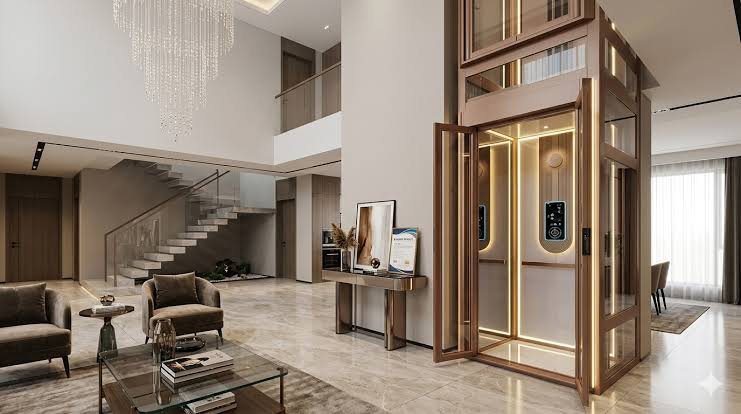
A villa elevator is a residential lift designed specifically for private homes, luxury villas, and multi-story residences. Unlike commercial elevators found in office buildings, villa elevators are compact, stylish, and customized to blend with the home’s interior design. They provide a convenient and safe way to move between floors while adding elegance and functionality.
Modern villa elevators come in various sizes, finishes, and technologies. Whether you are building a new villa or renovating an existing property, installing a villa elevator can improve accessibility and increase the overall value of your home. Many homeowners choose these elevators to ensure long-term comfort, especially for elderly family members, children, and individuals with limited mobility.
Why Homeowners Choose a Villa Elevator
More homeowners are investing in a villa elevator because it combines luxury with everyday convenience. Carrying groceries, luggage, or heavy household items upstairs becomes effortless with a home elevator. It also allows family members of all ages to move safely throughout the house.
A villa elevator enhances the appearance of a home by adding a modern architectural feature. Many models feature glass cabins, stainless steel finishes, LED lighting, and customizable interiors that match contemporary or classic home designs. Besides improving convenience, a villa elevator offers peace of mind by making every floor easily accessible.
Main Types of Villa Elevators
There are several types of villa elevators available, each designed to meet different needs and budgets.
Hydraulic Villa Elevators
Hydraulic elevators use fluid pressure to move the lift. They provide smooth operation and are suitable for low-rise villas. They are known for reliability and comfortable rides.
Traction Villa Elevators
Traction elevators operate using ropes and counterweights. They are energy-efficient, quiet, and ideal for homes requiring frequent elevator use.
Vacuum Villa Elevators
Vacuum elevators use air pressure to lift and lower the cabin. They require minimal construction work and are popular in modern homes because of their sleek appearance.
Machine Room-Less (MRL) Elevators
MRL elevators eliminate the need for a separate machine room, making them an excellent choice for villas with limited space. They also reduce installation costs while maintaining high performance.
Benefits of Installing a Villa Elevator
A villa elevator provides numerous advantages beyond luxury.
One of the biggest benefits is improved accessibility. Elderly homeowners and people with mobility challenges can move safely between floors without using stairs. This allows families to remain in their homes comfortably for many years.
Another major advantage is increased property value. Buyers often view a villa elevator as a premium feature that makes a home more attractive in the real estate market.
Villa elevators also save time and reduce physical effort. Carrying laundry baskets, furniture, groceries, or suitcases becomes much easier. Families with young children appreciate the added convenience of transporting strollers and other bulky items safely.
Modern villa elevators are energy-efficient and designed to operate quietly, making them suitable for daily residential use without disturbing household activities.
How to Choose the Right Villa Elevator
Selecting the right villa elevator requires careful planning. Start by evaluating your home’s available space and structural requirements. Some elevators need a shaft, while others can be installed with minimal construction.
Next, determine the required weight capacity. Consider how many people will typically use the elevator and whether you need to transport wheelchairs, furniture, or heavy items.
Design is another important factor. Manufacturers offer glass panels, wooden finishes, stainless steel interiors, panoramic cabins, and customized lighting options to match different home styles.
Energy efficiency should also be considered. Many modern villa elevators consume very little electricity and include standby modes to reduce power consumption.
Finally, choose a reputable manufacturer that provides professional installation, warranty coverage, and long-term maintenance services.
Safety Features to Look For
Safety should always be a priority when selecting a villa elevator. High-quality residential elevators include multiple advanced safety features to protect users.
Important safety features include:
- Emergency alarm system
- Battery backup during power failures
- Automatic rescue device
- Overload protection
- Emergency stop button
- Door interlock system
- Child safety lock
- Smooth start and stop technology
- Non-slip flooring
- Fire-resistant materials
These features ensure reliable operation while minimizing risks during everyday use.
Villa Elevator Installation Process
Installing a villa elevator begins with a site inspection by experienced professionals. Engineers evaluate the home’s layout, available space, electrical system, and structural requirements.
The next step involves designing the elevator according to the homeowner’s preferences. Once the design is approved, construction work begins if necessary. Depending on the elevator type, installation usually takes several days to a few weeks.
After installation, technicians conduct extensive safety inspections, performance testing, and user training. Homeowners learn how to operate the elevator safely before it is officially commissioned.
Professional installation ensures smooth performance and compliance with local safety standards.
Maintenance Tips for Long-Term Performance
Routine maintenance helps keep a villa elevator operating safely and efficiently for many years.
Homeowners should schedule professional inspections at least once or twice a year. Technicians check the motor, control system, doors, safety devices, and moving components.
Keep the elevator clean by removing dust and debris from the cabin and door tracks. Avoid exceeding the recommended weight capacity, as overloading can reduce the elevator’s lifespan.
If unusual noises, slow operation, or error messages appear, contact qualified service technicians immediately instead of attempting repairs yourself.
Preventive maintenance reduces unexpected breakdowns and extends the overall life of the elevator.
Cost of a Villa Elevator
The cost of a villa elevator depends on several factors, including elevator type, number of floors, cabin size, customization options, installation complexity, and location.
Basic residential elevators generally cost less than luxury panoramic models with premium finishes. Additional expenses may include construction work, electrical upgrades, permits, and maintenance contracts.
Although the initial investment may seem significant, many homeowners consider a villa elevator worthwhile because it improves convenience, accessibility, and long-term property value.
Requesting multiple quotes from trusted manufacturers helps compare features, warranties, and pricing before making a final decision.
Why a Villa Elevator Is a Smart Investment
Installing a villa elevator is more than adding a luxury feature—it is an investment in comfort, safety, and future living. As families grow older, stairs may become difficult to use. A residential elevator allows homeowners to enjoy every part of their home without physical limitations.
A villa elevator also enhances architectural appeal and gives homes a premium appearance. Energy-efficient models, quiet operation, and customizable designs make today’s residential elevators practical for everyday use.
Whether you are constructing a new villa or upgrading an existing property, a villa elevator offers long-lasting benefits that improve both lifestyle and property value.
Frequently Asked Questions
What is the purpose of a villa elevator?
A villa elevator provides safe and convenient transportation between floors in a private residence while enhancing accessibility and comfort.
Are villa elevators safe?
Yes. Modern villa elevators include emergency brakes, battery backup, overload protection, door sensors, and automatic rescue systems for maximum safety.
How much space is required for a villa elevator?
Space requirements vary depending on the elevator type. Compact models are available for homes with limited installation space.
How often should a villa elevator be serviced?
Professional maintenance is generally recommended once or twice a year to ensure safe and efficient operation.
Can a villa elevator increase property value?
Yes. Many buyers view a villa elevator as a premium home feature that can improve resale value and market appeal.
Are villa elevators energy-efficient?
Most modern villa elevators are designed with energy-saving technology and consume relatively little electricity during normal operation.
Conclusion
A villa elevator is an excellent addition to any multi-story home, offering convenience, safety, accessibility, and luxury. With a wide range of designs, technologies, and customization options, homeowners can select an elevator that perfectly complements their lifestyle and architectural style. By choosing a trusted manufacturer, prioritizing safety features, and following a regular maintenance schedule, a villa elevator can provide reliable performance for many years while increasing the beauty and value of your property.